









N-able MailAssure Hit the Exploited List. Patch by November 26.
On Monday, CISA put N-able MailAssure on its list of flaws attackers are already exploiting — and gave federal agencies three days to deal with it. The flaw, CVE-2026-134624, is a server-side request forgery bug in the email filtering platform’s LDAP synchronization check, and it was found while N-able was investigating a break-in on its own hosted cloud.
The listing is the second act of a story covered here last week: N-able’s Mail Assure and SpamExperts Hosted Cloud went dark on November 16, and the company later confirmed an unauthorized party had reached one of its hosted servers. That breach is the backstory — now CISA has confirmed what the investigation turned up, a critical flaw with evidence of active exploitation and a patch deadline of November 26.
The flaw in the LDAP check
MailAssure checks its LDAP connection when a mail relay is configured — a routine synchronization test. In builds before 20261121.1943, that check never restricted where it connected. An authenticated user with high-level API access could point it at any internal host and port, learn which ones answered, and send crafted data to internal services. That is the textbook definition of server-side request forgery (SSRF), and N-able scores it 9.3 out of 10.
What the flaw does not do matters too. N-able’s advisory claims no code execution, and the check needs high-privilege API access — this is not a flaw a stranger on the internet can fire at a login page. But inside a hosted email platform, an SSRF that reaches internal services is a foothold, and CISA’s listing says attackers have already used it.

Found during a breach investigation
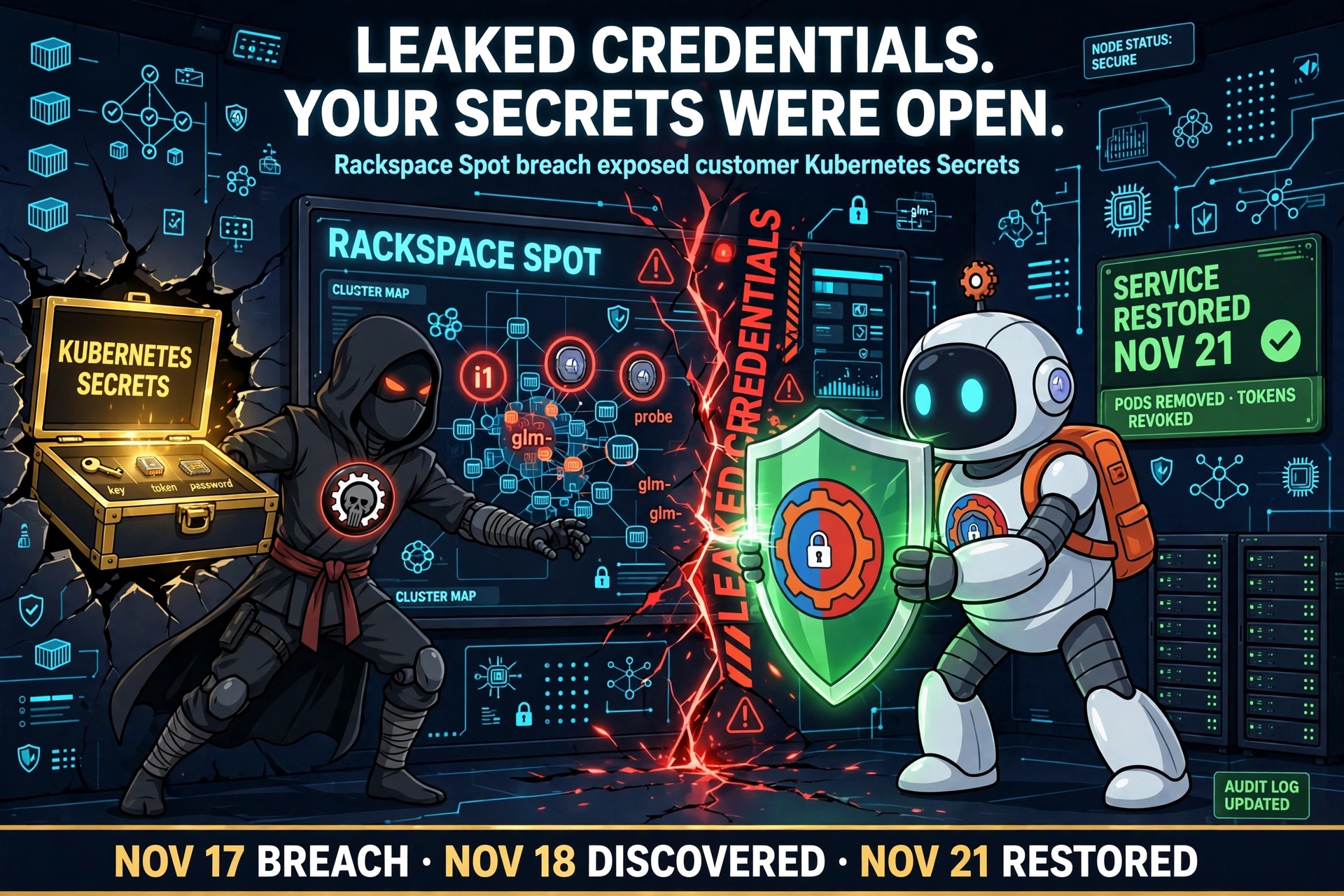
The timeline is short and uncomfortable. N-able told customers of a service disruption on Monday, November 16, first blaming platform configuration and service dependencies. Two days later it said the outage was, in fact, a security incident: an unauthorized party had accessed one of its Hosted Cloud servers. The dashboard and APIs stayed offline as a precaution while the company investigated, and it took the affected server offline, rotated internal platform credentials, revoked customers’ existing API tokens, invalidated OAuth tokens, and reset local users’ passwords.
Access was restored late on Saturday, November 21, and email delivery and spam filtering kept working throughout. N-able says it has found no evidence that customer data was compromised, including tenants’ mailboxes, and no sign of exploitation beyond that one server since the fix. What it has not said is whether this flaw was the attackers’ way in. The investigation is still open, an outside forensics team is on the case, and a formal root cause analysis is due within two weeks.
This is N-able’s second major incident in a month, and the company says the two are unrelated: on November 9 it took its hosted N-central platform offline after a researcher published 33 unpatched flaws. Two hosted platforms, two shutdowns, two weeks apart.
A second flaw joined it on the list
CISA’s Monday update added two flaws, not one. The second is CVE-2026-133968, a 9.8 path traversal flaw in MONAI Label, the open-source medical imaging tool — exploited by AI agents that found the zero-day and turned it into a root shell in about eleven minutes. That story already has its own post here. What matters for MailAssure customers is that both listings carry the same November 26 deadline, and both arrived with evidence of active exploitation, not just theoretical risk.
The two flaws also share a neighborhood. The AI-driven attack frameworks behind the MONAI incident — ARTEX, CAIRN, AntiFox, CyberStrikeAI — have breached more than 100 companies, including John Deere and SharkNinja. The MailAssure flaw is not attributed to those frameworks, but the message is the same: known-exploited means patch now, not patch soon.
What to do now
The fix is already in place for most customers — but check which group you are in:
- Hosted Cloud customers: rotate your tokens. There is nothing to install — N-able patched its own platform. Your job is the credentials: any script or integration that used a revoked API token or OAuth token needs new ones, and each partner was emailed guidance for its own environment. No email? Contact support.
- Local Cloud operators: confirm the build. SpamExperts Local Cloud runs on your own hardware on a weekly update schedule, and the incident statements describe the Hosted Cloud only — verify your servers are on build 20261121.1943 or later.
- Federal agencies: the deadline is Thursday, November 26. Everyone else should treat that date as the pace-setter, not someone else’s problem. CISA lists a flaw only when it has evidence of exploitation.
- Everyone: audit the access that made this possible. The flaw needed high-level API access plus a configured LDAP relay. Review which API users hold that access and which relays have synchronization configured — least privilege is the cheapest mitigation for the next one.

Three days is a short deadline, and it is meant to be. CISA does not hand those out for flaws that might be exploited someday — it hands them out for flaws that already are.