









Cloud One Was Breached. The Air Force Still Doesn’t Know the Damage.
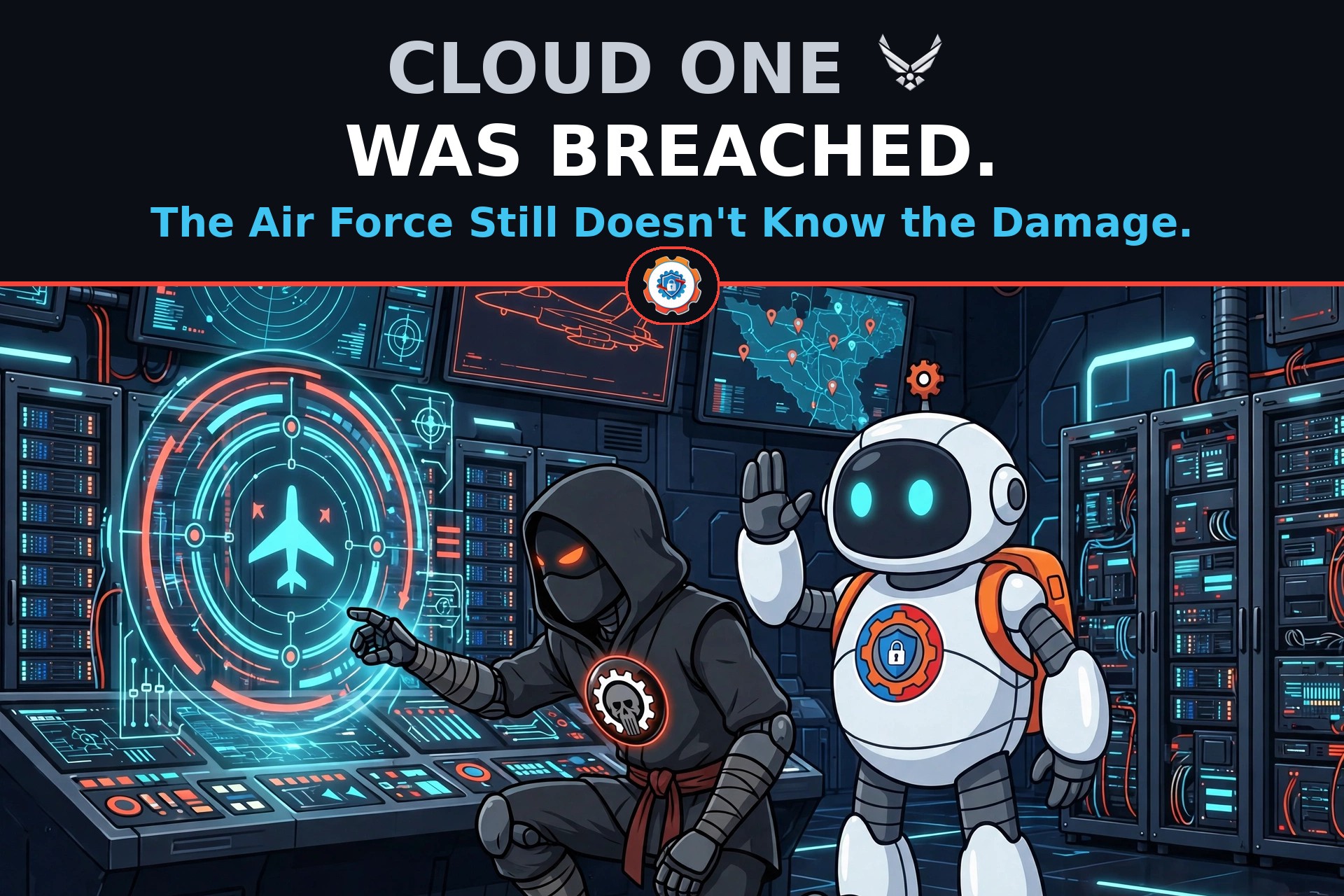
Hackers broke into Cloud One, the United States Air Force’s flagship cloud platform. Three people familiar with the matter told Reuters about the breach, found within the past month during work to upgrade the system. The intrusion caused disruption across the platform, and the Air Force still does not know the full damage.
Reuters could not confirm who was behind the intrusion, how far it reached, or whether any data was stolen. The Air Force said it “does not comment on the security posture, vulnerabilities or operational status of specific networks and systems. We continuously take prudent measures to protect Department (of the Air Force) information, systems and mission capabilities.” A break-in on one of the biggest cloud platforms in the US military — with no confirmed answers yet on who did it, what they saw, or what they took.
What Cloud One actually runs
Cloud One began in 2017 as a one-stop shop for the Air Force’s IT needs, bringing together Microsoft, Amazon, Oracle and Alphabet to power scores of applications, including ones that manage personnel data and pay, logistics and maintenance. It is, according to two of the sources, among the US military’s biggest cloud platforms. “A breach here is a big deal,” one source said.
Two applications show why. Cloud-Based Command and Control pulls together air defense radar and other data feeds from across North America, and the Theater Integrated Combat Munitions System tracks bombs and missiles across more than 200 US Air Force locations around the world. SAIC was the prime contractor until Leidos took over in 2025.
How the intruders got in, and what followed
One source said the intruders exploited a software vulnerability to reach the control plane, the layer that manages the platform itself, likened to a “universal remote”: in theory, they could check the operational status of military aircraft or the movement of spare parts. It is unclear whether they did so, and Reuters could not identify the specific vulnerability. Nobody has confirmed they did — or ruled it out. That is why Cyber Command, the US military’s cyber force, has been called in to assess the damage; Cyber Command did not respond to requests for comment.
The disruption was immediate. Efforts to move back-office applications onto Cloud One have been paused, updates to applications already on Cloud One were blocked — leaving personnel unable to apply fixes just as a new batch of serious software vulnerabilities was disclosed across the tech industry — and some users had their administrator rights revoked.

Part of a wider run of attacks
The breach comes amid at least six other recently disclosed US government cyber incidents, including two at the FBI, a previous hack of Pentagon data, a leak of Department of Homeland Security personnel information, a breach affecting at least two spy agencies, and a hack at the Treasury Department. The Treasury was hit hours after the CIA in the same run of attacks, and the FBI has been hit twice, including a breach of its crime database where nobody knows what was taken.
In 2023, Cloud One’s leadership wrote in a FedScoop commentary that the platform had a “100% success rate” in beating back a “staggering” number of attempts to penetrate it. “There is no room for error when it comes to security,” they wrote.
Why this breach matters more than most
Most cloud breaches are about data: records, emails, files. This one is about control. The control plane decides who can do what across the whole platform, so reaching it does not just expose one application — it opens a view across the system, and potentially a lever over it.
That is also why the unknown scope matters so much. When a single server is breached, the damage has a boundary. When a control plane is breached, the boundary is whatever the intruders chose to touch, and only a full assessment can tell. Until Cyber Command finishes, the honest answer is that the Air Force does not know yet — and every day updates stay blocked, the applications fall further behind on fixes.

What to check now
Most readers will never run a military cloud, but these checks apply to any team running a shared platform.
1. Control-plane access hygiene. Know exactly who can reach the layer that manages your platform. Remove standing access nobody uses and log every control-plane action.
2. Patching discipline. A blocked update queue is a risk of its own. Track which fixes are waiting and what the delay costs each day, and set a date to review any pause, so a short freeze does not quietly become a long one.
3. Admin-rights review. The Air Force revoked some administrator rights after the breach. Review yours before you are forced to: check who holds admin rights and whether each person still needs them.
4. Monitoring for the unknown. When the scope of a breach is unclear, monitoring is the safety net. Watch for unusual control-plane access and activity that does not match normal work, and look for traces of the intruders having looked around before they were found.
The Cloud One breach will be judged by what Cyber Command finds. Until then, the facts are simple: hackers reached the control plane of one of the military’s biggest cloud platforms, the damage is unknown, and the fixes are on hold while the assessment runs.